Rec Center
Fitness Classes Fill a Rec Center Daily. Twin Falls Has None.
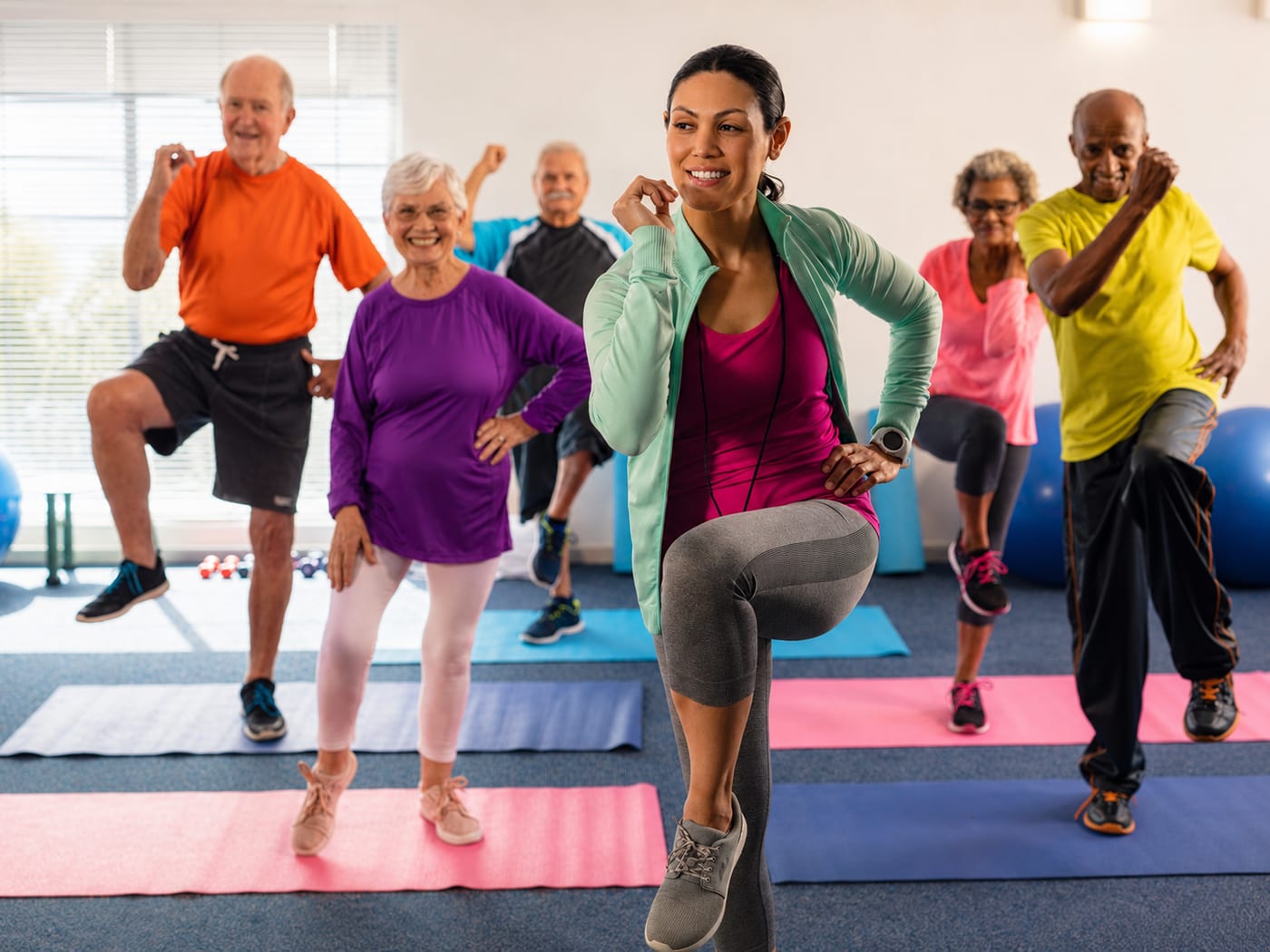
This post looks at the programming that fills a recreation center's fitness studios every morning, evening, and weekend, and why it is the reason most adult memberships get purchased in the first place.
The Fitness Classes That Fill a Rec Center Every Day. Twin Falls Has None.
TL;DR: Group fitness classes are the single most consistent daily programming at every community recreation center in the country. Yoga at 6 a.m. Cycling at noon. Zumba at 5:30. HIIT at 7 p.m. They run in the exercise studios and multipurpose rooms every day of the week, they serve primarily adults who would otherwise need a private gym membership or an online video, and they are the reason most adult memberships get purchased and renewed. Twin Falls has private studios offering some of these classes at $15 to $25 per drop-in or $100 to $200 per month. A recreation center includes them all in one membership.
The blogs in this series have covered tournaments, youth sports, senior wellness, after-school programming, school-break camps, drop-in recreation, community events, and a climbing wall. Every one of those serves a specific population at specific times.
Group fitness classes serve the population that shows up every single day, at 6 a.m. and at noon and at 5:30 p.m., and keeps showing up for years. They are the programming category that most private gyms charge extra for, that most boutique studios build their entire business model around, and that a recreation center includes in a standard membership alongside everything else the facility offers.
Twin Falls currently has no public facility offering group fitness programming of any kind.
What group fitness actually includes
The phrase "group fitness" covers a wider range of classes than most people realize. At a well-programmed recreation center, the weekly schedule typically includes some combination of the following:
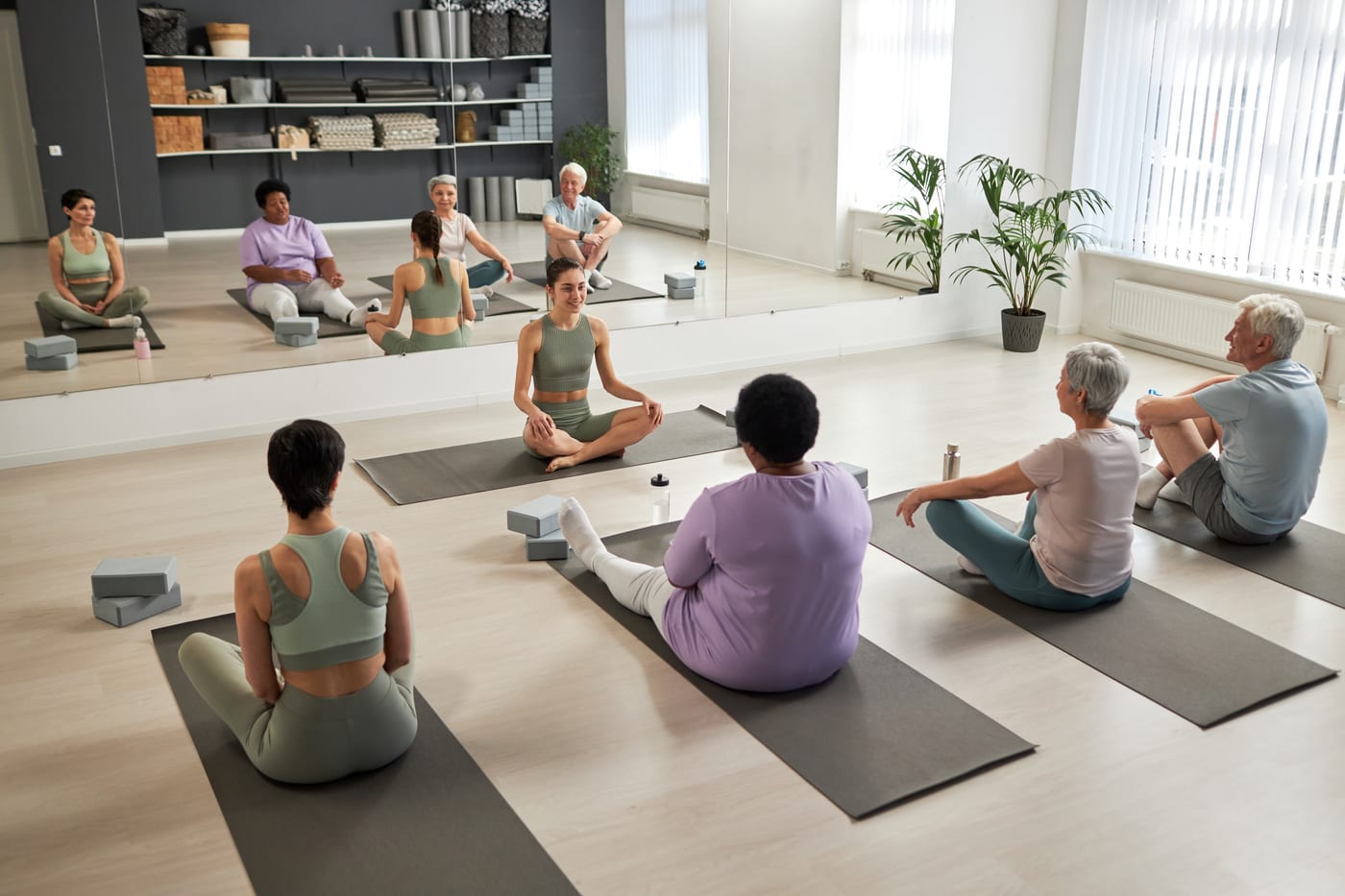
Yoga. Multiple formats: gentle yoga for beginners and seniors, vinyasa flow for intermediate practitioners, power yoga for those seeking a more athletic session, and restorative yoga for recovery and stress management. Yoga classes fill consistently across every demographic, from 25-year-old professionals to 75-year-old retirees. A recreation center that runs yoga four to six times per week serves the full spectrum.
Indoor cycling (spin). High-energy, music-driven classes on stationary bikes. One of the highest-demand group fitness formats nationally. Boutique cycling studios charge $20 to $35 per class. At a recreation center, it is included in the membership.
Zumba and dance cardio. Latin-inspired dance fitness that draws a large, loyal, and predominantly female participant base. Zumba classes at recreation centers routinely fill to capacity. The format requires nothing but floor space, a sound system, and an instructor, making it one of the cheapest classes to operate and one of the most popular to attend.
HIIT (high-intensity interval training). Short, intense workouts alternating bursts of effort with rest periods. Typically 30 to 45 minutes. Appeals to time-crunched adults who want maximum results in minimum time. Increasingly popular with the 25-to-45 age demographic.
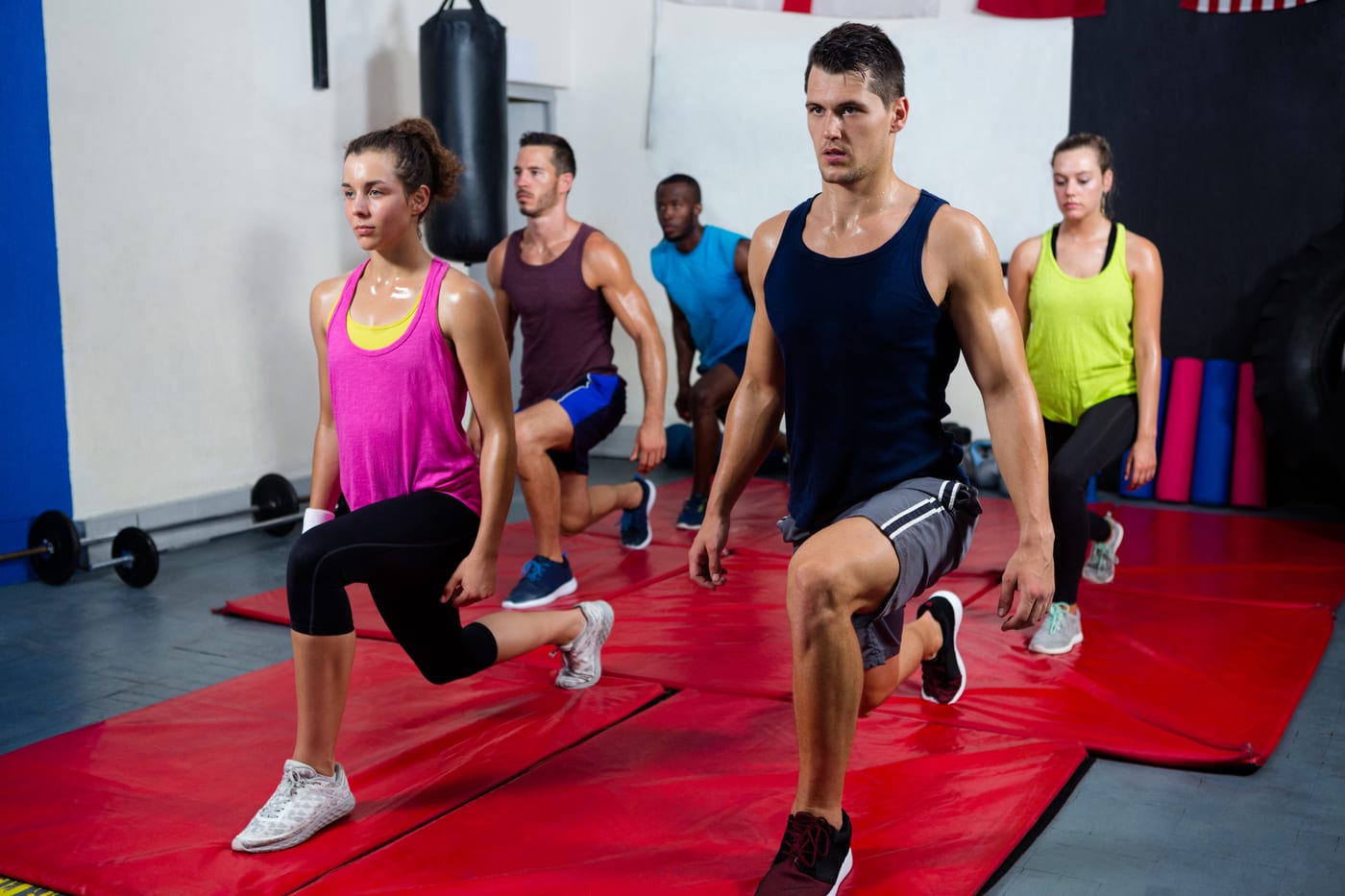
Boot camp and circuit training. Functional fitness classes using bodyweight exercises, kettlebells, resistance bands, and medicine balls. Often held in the gymnasium or outdoors during warm months. Draws adults who want structured coaching without the cost of a personal trainer.
Pilates and barre. Core-focused, low-impact classes that build strength, flexibility, and posture. Popular among women of all ages. Pilates mat classes require minimal equipment and fit easily into multipurpose room schedules.
Senior-specific classes. SilverSneakers-style programming, chair-based fitness, gentle stretching, balance and fall prevention, and tai chi. These classes serve the 8,967 Twin Falls residents over 65 who need structured fitness designed for their bodies and delivered at their pace. Senior classes are among the most consistently attended programming at every recreation center that offers them.
Water aerobics. If the facility includes aquatics, water-based group fitness is one of the highest-demand categories for seniors and adults with joint limitations. Low-impact, high-resistance, and social. Water aerobics classes at comparable Idaho facilities like Nampa's recreation center fill consistently year-round.
This is not a wish list. It is the standard programming menu at recreation centers in Nampa, Pocatello, Idaho Falls, and every comparably sized city in the intermountain west that has built a recreation facility.
What Twin Falls currently offers
Twin Falls has private fitness options. Private gyms provide equipment access and some offer group classes. Boutique studios offer specialized formats like yoga, cycling, or barre at premium pricing.
The cost structure for these options is familiar to every Twin Falls adult who has looked into them:
Boutique studio classes: $15 to $25 per single class. $100 to $200 per month for an unlimited package. One format. One studio. One person covered.
Private gym membership with classes: $50 to $80 per month per person. Some classes included, some at additional cost. No family coverage. No courts, no track, no youth programming.
Online classes: Free to $30 per month. No social connection. No instructor correction. No accountability. No reason to leave the house.
A recreation center family membership at a comparable Idaho facility covers two adults and all dependent children for one flat monthly rate. Every group fitness class on the schedule is included. The same membership also covers the fitness center, the indoor track, the basketball courts, the pickleball courts, the climbing wall, the multipurpose room programming, the after-school access for kids, and the break-week camps at reduced rates.
The value comparison is not close.
Why group fitness drives adult memberships
Youth sports drive family memberships. After-school access drives family retention. Drop-in recreation builds daily habits. Group fitness drives adult memberships specifically, and it does so more consistently than any other programming category.
The reason is straightforward: group fitness creates obligation. Not contractual obligation but social obligation. The 6 a.m. yoga instructor knows your name. The woman on the bike next to you in cycling class notices when you are absent. The Zumba regulars have a spot they always stand in, and the group feels incomplete when someone is missing.
This is the same social accountability mechanism that makes evidence-based senior wellness programming effective: consistency, familiarity, and the feeling that someone notices whether you show up. It applies equally to a 35-year-old in a HIIT class and a 70-year-old in chair yoga. The format is different. The retention mechanism is identical.
A member who attends group fitness classes three times a week does not cancel their membership. They have people expecting them. That expectation is worth more than any contract term or cancellation fee.
What a weekly group fitness schedule looks like
At a well-programmed recreation center, the exercise studio runs classes from early morning to evening, six or seven days a week. A typical weekly schedule fills 25 to 35 class slots across the formats listed above.
Weekday mornings (6:00 to 9:00 a.m.): The busiest group fitness window. Back-to-back classes serve the before-work crowd (6:00 a.m. cycling or HIIT) and the after-drop-off crowd (8:30 or 9:00 a.m. yoga or Zumba for parents who just took kids to school).
Midday (11:30 a.m. to 1:00 p.m.): A lunchtime class for working adults. Typically a 30- to 45-minute format like HIIT or express cycling that fits in a lunch break. Lighter attendance than morning or evening but consistent.
Late afternoon and evening (4:30 to 7:30 p.m.): The second peak. Classes serve adults after work. Yoga, cycling, boot camp, and Zumba all draw well in this window. This is also when youth programming runs in other parts of the building, allowing a parent to attend a fitness class while their child plays in the gymnasium or climbs the wall.
Weekends (8:00 to 11:00 a.m.): Saturday morning classes draw a loyal crowd. Yoga, cycling, and Zumba all perform well. Sunday typically runs a lighter schedule with one or two classes.
The exercise studio operates on a different rhythm than the gymnasium. While the gym runs leagues and tournaments on a weekly and seasonal cycle, the fitness studio runs on a daily cycle. Same classes, same times, same instructors, week after week. That predictability is what builds the habits that sustain memberships.
The parent who exercises while the kid climbs
One of the most powerful daily-use patterns at a recreation center is the parent-child parallel visit. It works like this:
A mom arrives at 5:00 p.m. with her 10-year-old. The child goes to open gym or the climbing wall. The mom goes to the 5:30 yoga class. At 6:30, they meet in the lobby and drive home.
Both got what they needed. Neither required a separate trip, a separate facility, or a separate membership. The child was supervised in the building. The parent exercised without arranging childcare.
This pattern is impossible in Twin Falls today. A private yoga studio does not have a gym where the child can play. A private gym does not have a climbing wall or supervised youth space. The only way to exercise and entertain your child simultaneously is to own a home gym and hope the child stays busy, or to skip the workout entirely.
A recreation center eliminates that choice. The parent and the child use the same building at the same time for different purposes. One membership. One trip. One hour. Both served.
The instructor economy
Group fitness instructors at recreation centers are typically part-time employees or independent contractors who teach two to five classes per week. Many of them are Twin Falls residents who already hold certifications and teach at private studios, gyms, or independently.
A recreation center creates a stable, predictable venue for these instructors. Rather than renting church halls, community rooms, or studio space at their own expense, instructors teach in a purpose-built fitness studio with mirrors, sound system, and climate control, provided by the facility. The arrangement benefits both sides: the rec center gets quality programming without hiring full-time staff for every class, and instructors get a reliable venue and a built-in audience of members.
This is how Nampa's recreation center runs 30-plus group fitness classes per week while maintaining its self-sustaining financial model. The classes generate membership value (people join and stay because of them) without generating proportional costs (instructors are part-time and classes use existing space).
Where the conversation stands
A recreation center committee within the Twin Falls Parks and Recreation Department has been studying this question since 2017. In June 2025, the City Council voted to advance the long-stalled feasibility study. Parks and Recreation Director Wendy Davis said the council's vote "breathed a little bit of life into what I thought was a dying initiative."
A grassroots advocacy campaign has proposed naming a potential facility after U.S. Army Specialist Troy Carlin Linden, a soldier with the 54th Engineer Battalion who was killed in action on July 8, 2006, in Ar Ramadi, Iraq. The proposal comes from a Twin Falls resident who served in the same unit.
Closing
Group fitness is not the flashiest thing a recreation center does. It does not make headlines like a basketball tournament. It does not generate the emotional response of a climbing wall or the community energy of a dodgeball night.
What it does is fill a fitness studio with the same people at the same time every Monday, Wednesday, and Friday, for years. It is the programming that makes a recreation center part of someone's identity rather than something they try once. The 6 a.m. yoga person. The Tuesday cycling person. The Zumba crew. These are people who do not think about whether to renew their membership because the question does not occur to them. The rec center is where they go. It is what they do.
Twin Falls has nowhere public that offers this. Boutique studios charge $15 to $25 per class. Private gyms charge $50 to $80 per person per month. A recreation center includes every class on the schedule in a family membership that also covers the courts, the track, the kids' programming, and everything else under the roof.
Thirty classes a week. One membership. Every day the doors are open.
Frequently Asked Questions
What kinds of group fitness classes does a rec center offer? Typical programming includes yoga (multiple formats), indoor cycling, Zumba, HIIT, boot camp, Pilates, barre, senior fitness, tai chi, dance cardio, and water aerobics if aquatics are included. A well-programmed facility runs 25 to 35 classes per week across these formats.
Are group fitness classes included in a rec center membership? Yes. At comparable recreation centers, all group fitness classes on the schedule are included in the standard membership. There is no per-class fee and no additional package to purchase. This is a key difference from boutique studios and some private gyms.
How much do boutique fitness classes cost in Twin Falls? Boutique studio drop-in rates typically run $15 to $25 per class. Unlimited monthly packages range from $100 to $200. These cover one format at one studio for one person. A rec center membership covers all formats for the entire family.
Can I attend a fitness class while my child uses the gym? Yes. This is one of the most common daily-use patterns at recreation centers. A parent attends a group fitness class while their child uses open gym, the climbing wall, or after-school programming in another part of the building. One trip, one membership, both served.
How many classes per week does a typical rec center run? A well-programmed facility runs 25 to 35 group fitness classes per week, spanning early morning through evening, six or seven days a week. Nampa's recreation center runs 30-plus classes weekly as part of its self-sustaining financial model.
Is Twin Falls actively considering a recreation center? A city committee has been studying the question since 2017. In June 2025, the City Council voted to advance the feasibility process. No specific site, cost, or funding mechanism has been finalized as of this writing.
Where can residents follow the conversation? Twin Falls City Council meetings are open to the public, and the Parks and Recreation Department posts updates on the city's official website. A community advocacy group is also tracking the issue at twinfallsreccenter.com.