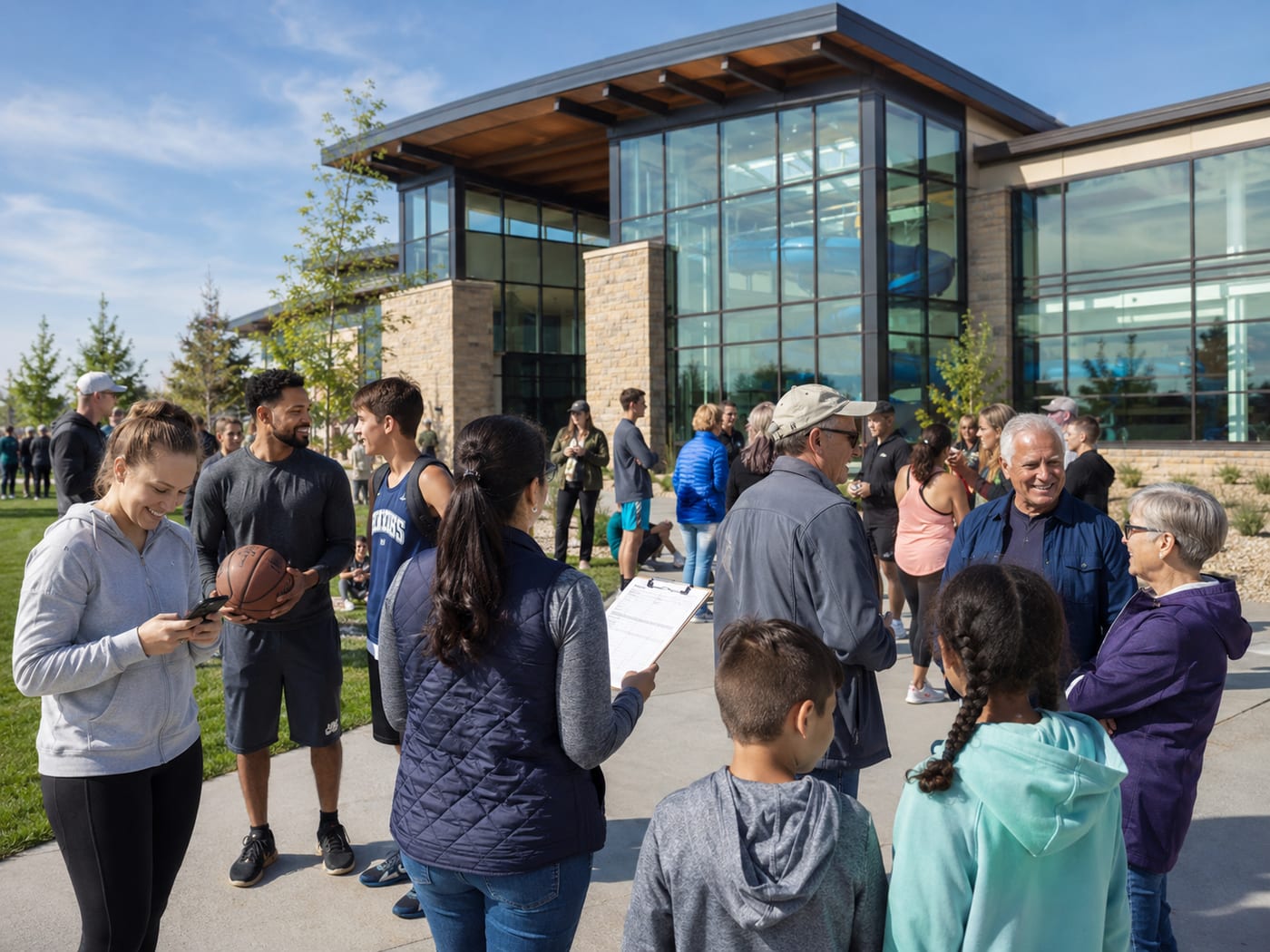
Rec Center
This Is a Magic Valley Rec Center, Not Just Twin Falls
TL;DR:
Twin Falls is the commercial, medical, and educational hub of a region that extends well beyond city limits. The Magic Valley metro area exceeds 122,000 people. Residents from Jerome, Burley, Buhl, Filer, Kimberly, Shoshone, Hailey, and a dozen smaller communities already drive to Twin Falls for groceries, healthcare, and work. A recreation center in Twin Falls would serve the same regional population that every other piece of Twin Falls infrastructure already serves. The question is not whether people outside city limits would use it. They would. The question is whether the facility is designed to welcome them.
Every blog in this series has described the recreation center as a Twin Falls facility. The data has been anchored to Twin Falls' 57,325 residents. The comparisons have been drawn to cities of similar size. The arguments have been framed around what Twin Falls needs.
That framing is accurate but incomplete. Because the truth is, Twin Falls does not function as a city of 57,000. It functions as the hub of a region that is more than twice that size. And a recreation center built in Twin Falls will not serve only Twin Falls residents. It will serve the Magic Valley the same way Twin Falls' hospital, shopping centers, and college already do.
Twin Falls is already the Magic Valley's hub
This is not an aspiration. It is a daily reality that every Magic Valley resident already lives.
Twin Falls is where the region goes. St. Luke's Magic Valley Medical Center serves patients from across southern Idaho. The Magic Valley Mall draws shoppers from every surrounding community. The College of Southern Idaho enrolls students from across the region. Costco, Home Depot, and the retail corridor along Blue Lakes Boulevard pull traffic from Jerome, Burley, Buhl, Filer, Kimberly, Gooding, Shoshone, Hailey, and communities as far as an hour away.
Nobody in Jerome drives to Jerome for major medical care. They drive to Twin Falls. Nobody in Buhl drives to Buhl for a Costco run. They drive to Twin Falls. Nobody in Filer drives to Filer for a college education. They drive to Twin Falls.
Recreation would follow the same pattern. It already does. The Jerome Recreation District serves Twin Falls families who drive ten miles to access an indoor pool and gym because their own city does not have one. The pattern of regional facility use already exists. It just runs in the wrong direction.
A recreation center in Twin Falls would reverse that flow. Instead of Twin Falls residents driving to Jerome for a pool, the entire Magic Valley, including Jerome residents, would have access to a facility scaled to the region's actual population.
The numbers behind the region
The Twin Falls Metropolitan Statistical Area had a population of 122,565 as of 2024. That includes Twin Falls County (approximately 96,500) and the immediately surrounding area.
But the functional service area is larger still. The campaign website references 210,000 people across the broader Magic Valley. That number includes communities in Jerome County, Minidoka County (Burley, Rupert, Heyburn), Gooding County, Lincoln County (Shoshone), Cassia County, and the Wood River Valley corridor.
Here is what the surrounding communities look like:
Jerome: approximately 13,000 residents, 10 miles from Twin Falls. Already operates a 32,000-square-foot recreation center that Twin Falls residents use because their own city has nothing comparable.
Burley: approximately 10,000 residents, 40 miles east. Regional retail and agricultural hub for Cassia and Minidoka counties.
Buhl: approximately 4,500 residents, 17 miles west. Close enough to Twin Falls for daily commuting and errands.
Filer: approximately 2,800 residents, 10 miles west. Effectively a Twin Falls suburb.
Kimberly: approximately 4,000 residents, 7 miles east. Closer to Twin Falls than many Twin Falls neighborhoods are to each other.
Shoshone: approximately 1,500 residents, 25 miles north. Lincoln County seat.
Gooding: approximately 3,600 residents, 30 miles west. County seat of Gooding County.
Hailey/Wood River Valley: approximately 9,000 residents, 75 miles north. Seasonal tourism economy with limited year-round recreation infrastructure for residents.
These are not distant cities with their own self-contained infrastructure. They are communities whose residents already drive to Twin Falls for everything else. Recreation would not be different. It would be one more reason the trip makes sense.
What this means for facility design
A facility designed to serve 57,000 people and a facility designed to serve 122,000 (or 210,000) are different buildings. Not necessarily in size, but in how they think about access, pricing, and programming.
Membership structure. Nampa's recreation center does not require residency for membership. Anyone can join regardless of where they live. A Twin Falls rec center that follows this model immediately opens its membership base to the full Magic Valley. More members means more revenue. More revenue means more programming. More programming means a more sustainable facility.
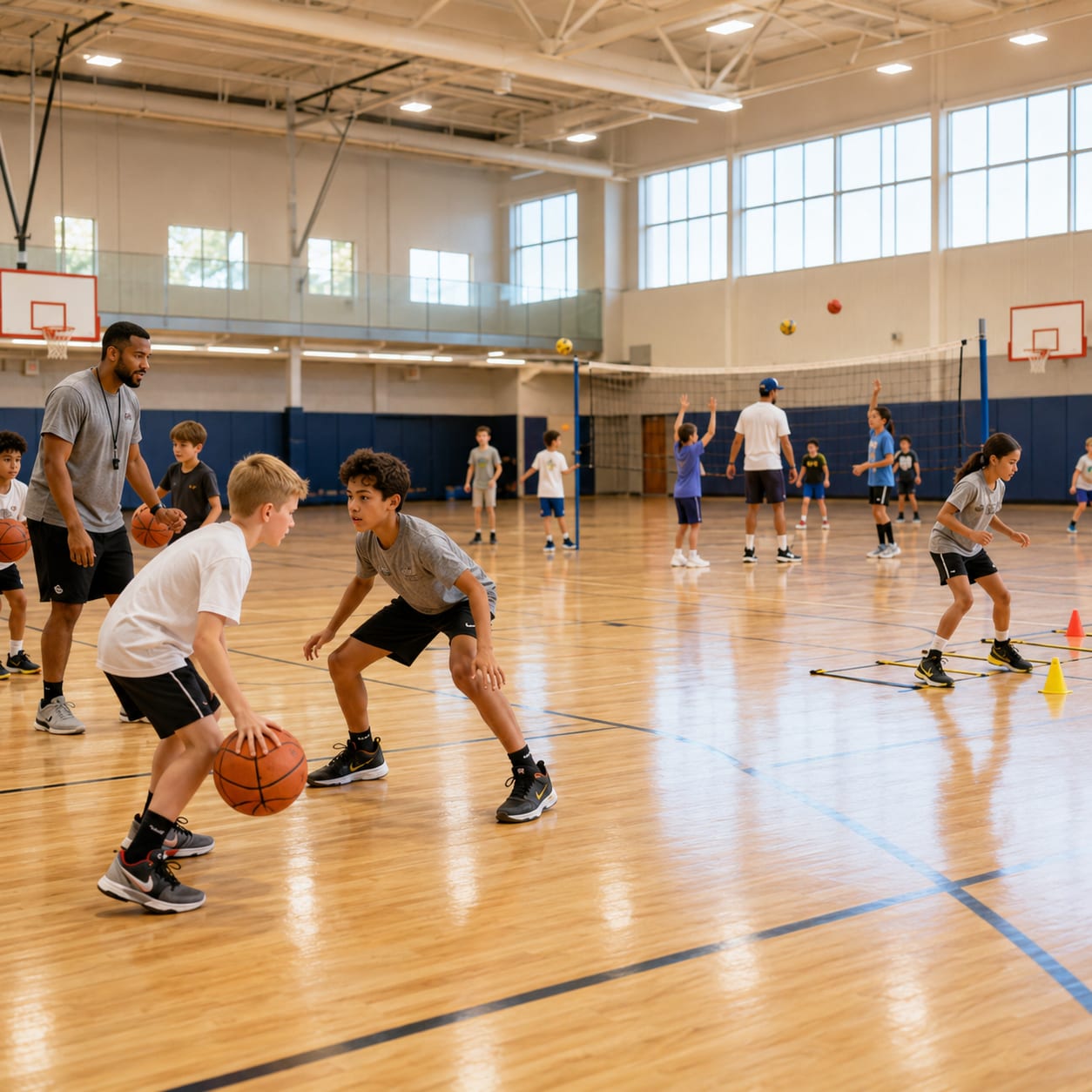
Tournament and event hosting. The tournament hosting case for basketball, volleyball, wrestling, pickleball, and other sports gets stronger with a regional frame. A tournament drawing teams from across the Magic Valley is not asking teams to travel far. It is asking them to drive the same 10 to 40 miles they already drive for groceries.
Youth sports leagues. A regional recreation center can host leagues that draw from multiple communities. A basketball league with teams from Twin Falls, Jerome, Kimberly, Filer, and Buhl is more competitive, more sustainable, and more fun than a league limited to one city. The same applies to futsal, volleyball, martial arts, and cheerleading.
Senior programming. Twin Falls has roughly 8,967 residents over 65. The Magic Valley has significantly more. A recreation center with evidence-based senior wellness programming would serve seniors from Jerome, Burley, Buhl, and surrounding communities who currently have no access to structured fitness, fall prevention, or social programming designed for older adults.
Adaptive recreation. The disability access argument applies regionally. No community in the Magic Valley currently offers public adaptive recreation programming. A Twin Falls facility with wheelchair-accessible courts, sensory-friendly programming, and adaptive fitness would be the only option for an estimated 16,000 or more Magic Valley residents with disabilities.
Why the regional frame strengthens the financial case
The single biggest question about the Twin Falls recreation center is whether it can sustain itself financially. The Nampa model proves it can in an Idaho city. But Nampa sits in the Boise metro area with a population of 800,000+. Can Twin Falls, with a smaller surrounding population, generate enough memberships, program fees, and event revenue?
The regional frame changes that math significantly.
A facility that draws members only from Twin Falls proper has a pool of 57,325 potential users. A facility that draws from the MSA has 122,565. A facility that draws from the broader Magic Valley service area has 210,000.
At Nampa's documented membership penetration rates, even modest regional participation would produce a membership base large enough to sustain operations. The hidden cost data shows that Magic Valley families are already spending $3,700 to $4,900 per year on fragmented private recreation. A family membership at a recreation center consolidates that spending at a fraction of the cost. The value proposition does not stop at the Twin Falls city limit sign.
Tournament hosting revenue also scales with the regional frame. A basketball tournament that draws 32 teams from across the Magic Valley does not need teams to fly in from out of state. It needs teams to drive 10 to 40 miles, the same distance they drive for everything else. That low travel barrier makes it easier to fill brackets, which makes it easier to host events consistently, which makes the year-round tournament calendar more viable.
What Jerome's rec center already proves
The regional usage pattern is not theoretical. It is already happening in reverse.
Jerome's 32,000-square-foot recreation center serves a city of 13,000. But its actual user base extends well beyond Jerome city limits. Twin Falls families drive to Jerome for pool access, indoor courts, and fitness programming that their own city does not offer. Families from Wendell, Shoshone, and other surrounding communities do the same.
Jerome built a recreation facility sized for a small city, and a region showed up to use it. Twin Falls would build a facility sized for a mid-sized city, and the same region, plus Jerome residents who want access to a larger, more comprehensively programmed facility, would show up to use it.
The two facilities would not compete. They would complement each other the same way private gyms and public rec centers coexist in every city that has both. Jerome's facility would continue serving its immediate community. Twin Falls' facility would serve the broader region with the scale, programming breadth, and tournament capacity that a 32,000-square-foot facility cannot provide.
The communities that have not seen themselves in this conversation
Twenty-four blog posts have made the case for a Twin Falls recreation center. Not one of them was written directly to a parent in Buhl, a senior in Burley, a teenager in Kimberly, or a coach in Filer.
That is a gap worth closing, because those residents are part of the facility's future user base whether the conversation has named them or not. A mom in Kimberly who is seven miles from the rec center is closer than many Twin Falls residents who live on the west side of the city. A wrestling coach in Filer who needs tournament space is ten miles away. A retired couple in Buhl who wants indoor track access and senior fitness classes is seventeen miles away, the same distance many Boise residents drive to reach the Nampa Recreation Center.
The Magic Valley is not a collection of isolated towns. It is a connected region that shares a hospital, a college, a retail corridor, and a daily commuting pattern. A recreation center would join that list of shared infrastructure. The only question is whether the facility's design, pricing, and programming reflect that regional reality from the start.
Where the conversation stands
A recreation center committee within the Twin Falls Parks and Recreation Department has been studying this question since 2017. In June 2025, the City Council voted to advance the long-stalled feasibility study. Parks and Recreation Director Wendy Davis said the council's vote "breathed a little bit of life into what I thought was a dying initiative."
A grassroots advocacy campaign has proposed naming a potential facility after U.S. Army Specialist Troy Carlin Linden, a soldier with the 54th Engineer Battalion who was killed in action on July 8, 2006, in Ar Ramadi, Iraq. The proposal comes from a Twin Falls resident who served in the same unit.
Closing
Twin Falls does not build infrastructure for 57,000 people. It builds infrastructure for the Magic Valley. The hospital serves the region. The college serves the region. The retail corridor serves the region. A recreation center would do the same.
The residents of Jerome, Burley, Buhl, Filer, Kimberly, Shoshone, and every other Magic Valley community already drive to Twin Falls for the things their towns cannot provide at scale. Recreation is the next item on that list. The demand is regional. The usage will be regional. The financial model works better when it accounts for the region.
This is not just a Twin Falls rec center. It is the Magic Valley's rec center. The sooner the conversation reflects that, the stronger the case becomes.
Frequently Asked Questions
Would residents outside Twin Falls be able to use the recreation center? At comparable Idaho facilities like the Nampa Recreation Center, membership is open to anyone regardless of residency. A Twin Falls rec center following this model would welcome members from Jerome, Burley, Buhl, Filer, Kimberly, and every other Magic Valley community.
How big is the Magic Valley's potential user base? The Twin Falls MSA has 122,565 residents. The broader Magic Valley service area, including communities across Jerome, Minidoka, Gooding, Lincoln, and Cassia counties, reaches approximately 210,000. These are residents who already drive to Twin Falls for healthcare, shopping, and education.
Would a Twin Falls rec center compete with Jerome's recreation center? No. The two would complement each other. Jerome's 32,000-square-foot facility serves its immediate community well. A Twin Falls facility would offer larger-scale programming, multi-court tournament hosting, and specialized services (adaptive recreation, senior wellness, fitness center) that a smaller facility cannot provide. Both would continue operating.
Does regional usage help the facility sustain itself financially? Yes. A larger potential membership base means more revenue from memberships, program fees, and event hosting. The Nampa Recreation Center has operated at 100 percent self-sufficiency for over thirty years by welcoming members from across the Boise metro area, not just Nampa proper.
Is Twin Falls actively considering a recreation center? A city committee has been studying the question since 2017. In June 2025, the City Council voted to advance the feasibility process. No specific site, cost, or funding mechanism has been finalized as of this writing.
Where can residents follow the conversation? Twin Falls City Council meetings are open to the public, and the Parks and Recreation Department posts updates on the city's official website. A community advocacy group is also tracking the issue at twinfallsreccenter.com.